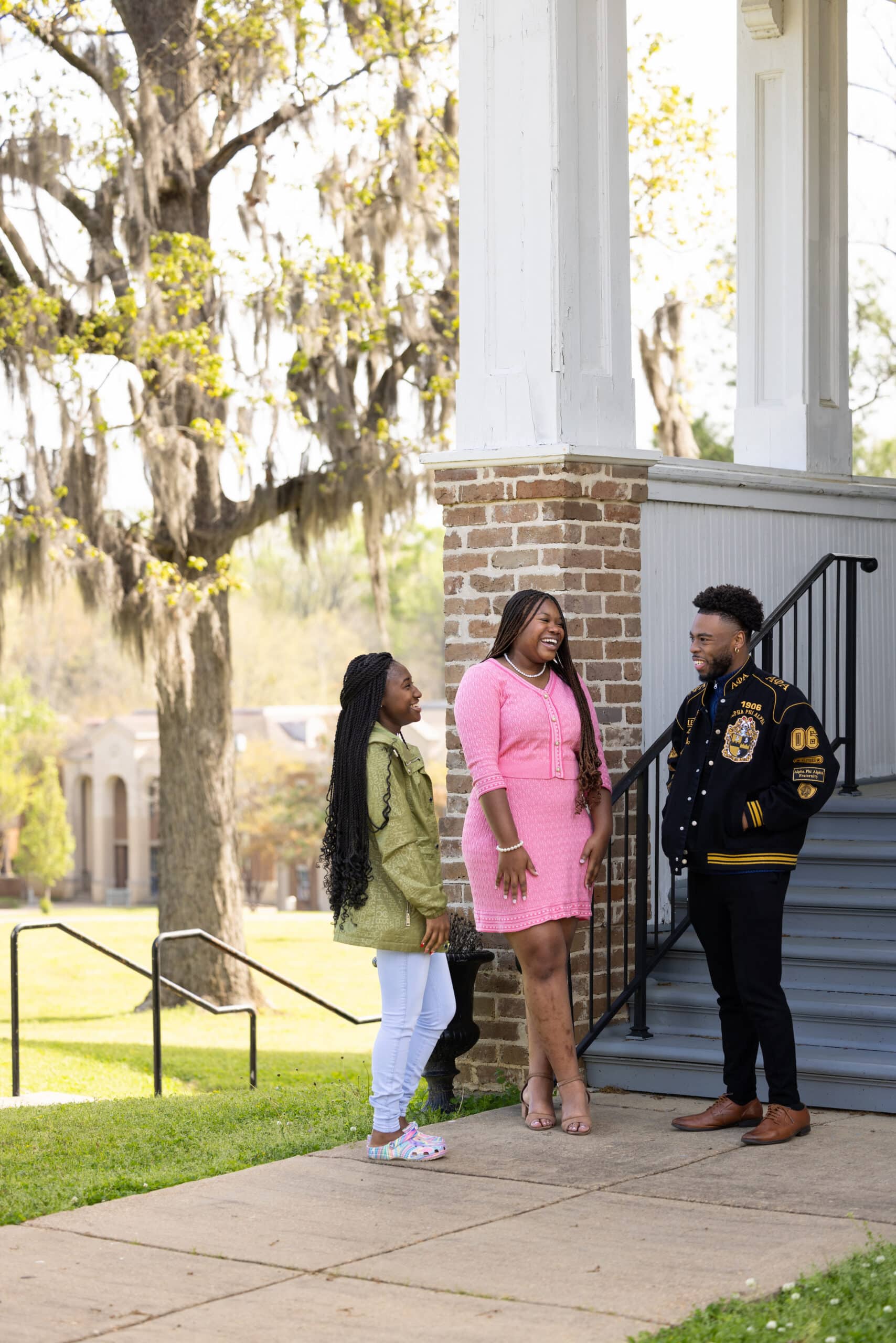
An historically Black college or university has ignited significant controversy by implementing a dress code that prohibits bonnets and durags—items deeply rooted in Black cultural expression and hair care practices. The policy has prompted immediate backlash from students and members of the broader HBCU community, who argue that the restrictions fail to respect the cultural significance of these garments and the institution's responsibility as a historically Black institution.
Bonnets and durags hold particular importance in Black communities. Bonnets are commonly worn for hair protection and maintenance, especially for protective hairstyles. Durags, similarly, serve both practical and cultural purposes, used to maintain wave patterns and as a form of cultural expression. For many students, these items are everyday necessities rather than fashion statements, making their prohibition feel like a direct challenge to Black identity and self-expression on campus.
The controversy reflects broader tensions within higher education about institutional policies and cultural competency. HBCUs, founded to serve Black students when they were excluded from predominantly white institutions, have historically positioned themselves as spaces that affirm Black culture and identity. A dress code that restricts culturally significant items appears to contradict that foundational mission, raising questions about whose standards of "professionalism" or "appropriateness" the institution is enforcing and why.
Student responses have been swift and vocal, with many questioning the rationale behind the policy and calling for its immediate reconsideration. The criticism extends beyond individual students to include alumni, parents, and community observers who see the dress code as tone-deaf to the cultural context in which HBCUs operate. Social media and campus conversations have amplified concerns that such policies can contribute to an environment where students feel their identities are not fully valued or respected.
The incident also raises questions about institutional decision-making processes. Whether students, faculty, and community members were consulted before implementation remains unclear from available information. At institutions that pride themselves on community and collective identity, the absence of meaningful dialogue before implementing culturally sensitive policies can deepen the sense of disconnection between administration and the student body.
Dress codes themselves are not new to college campuses, but their application and cultural implications matter significantly. When policies disproportionately target items associated with specific racial or ethnic groups, they warrant scrutiny and reconsideration, particularly at institutions with explicit commitments to Black excellence and cultural affirmation.
Why this matters: HBCUs serve as anchors for Black intellectual and cultural life. When these institutions implement policies that students perceive as dismissive of Black cultural practices, it sends a message about whose culture is valued and whose is not. The outcome of this controversy will signal to current and prospective students whether their institution sees their full selves—including their cultural expressions—as welcome on campus.